Understanding Sleep Surfaces: How Memory Foam, Futons, and Traditional Mattresses Impact Posture and Comfort
Explore how different sleep surfaces influence spinal alignment, pressure relief, and temperature regulation. A nuanced, elegant guide to memory foam, futons, and traditional mattresses crafted for informed choices and timeless comfort.
In the quiet theater of our bedrooms, the sleep surface plays a leading role. It shapes how our bodies rest, recharge, and wake with intention. The domain memoryfoamfutonmattress.com invites a discourse that is at once practical and refined: a careful examination of memory foam, futons, and conventional mattresses as three distinct but interwoven approaches to support, contour, and comfort. This article moves beyond branding buzzwords to illuminate core material properties, physiological responses, and everyday care so that readers can select surfaces that align with their sleep posture, temperature needs, and lifestyle.
1) The science of contact: how memory foam, density, and ILD shape contour and support
Memory foam has earned a reputation for adapting to the body's unique shape. This adaptability emerges from the material’s innate properties: its ability to deform under load and gradually recover once the load is removed. Two key concepts help decode this behavior:
- Density relates to how much material is packed into a given volume. Higher density foams tend to offer more support and durability, with longer-lasting contouring that can better resist developing permanent impressions under regular use.
- Indentation Load Deflection (ILD) measures the foam’s firmness. A higher ILD means a firmer surface; a lower ILD indicates a softer, more yielding feel. The ILD interacts with body weight and sleep position to determine how pressure is redistributed across the body’s contact points.
Together, density and ILD influence two essential sleep outcomes: spinal alignment and pressure relief. A surface that contours too aggressively without adequate support can cause sagging in the lumbar region for some sleepers, potentially leading to morning stiffness. Conversely, a surface with insufficient contour may fail to cradle the body’s natural curves, particularly for side sleepers who experience pronounced hip and shoulder pressure.
When evaluating memory foam, consider your typical sleeping position, weight, and any sensitive joints. For instance, a side sleeper with broader hips and shoulders might benefit from a memory foam with a mid-to-high density and a moderate ILD to achieve a harmonious balance between contour and support. For back or stomach sleepers, a slightly firmer profile can help maintain spinal neutrality without creating undue pressure at the neck or hips.
Beyond firmness, the surface’s microclimate matters. Memory foam has historically faced skepticism about heat retention. Modern formulations address this with open-cell structures, gel-infused layers, or phase-change materials designed to disperse heat and improve breathability. The aim is a surface that cushions without turning the night into a heat map, preserving comfort across seasons.
2) Futons: traditional design meets contemporary sleep styles
Futons carry a storied heritage, rooted in traditional Japanese sleeping customs, and have grown into a versatile category in Western interiors. Modern futons can range from simple, thin mattress cores to modular configurations that accommodate home use as both a bed and a sofa. Understanding the core distinctions helps determine whether a futon suits your sleep style, room configuration, and seasonal living patterns.
Traditional futons emphasize a low profile and closer contact with the sleeping surface. They are often designed to be easily folded, stored, or transformed for multiuse rooms. In contemporary iterations, you may encounter shredded or layered fillings, high-resilience foams, or latex blends that aim to improve bounce-back and longevity. The choice between a minimalist tatami-inspired setup and a thicker futon mattress depends on weight distribution, weight capacity, and the level of everyday versatility you require.
For durability and temperature regulation, the outer materials and core composition matter. A futon that uses breathable cotton covers and natural fillings can promote air exchange, reducing moisture buildup. If a futon is selected with a higher density foam or blended latex interior, it may provide more consistent support for heavier sleepers, while preserving a degree of flexibility that suits occasional sitting or lounging on the surface.
When considering a futon for a dedicated sleep space, reflect on how often you switch between lounging and sleeping configurations. A futon’s adaptability can be a feature, but it should not compromise the integrity of spinal alignment. In practice, pairing a futon either with a supportive foundation or a high-quality mattress topper can help tailor the surface to your posture and comfort preferences while maintaining the cultural and design ethos of the futon form.
3) Traditional innerspring and latex mattresses: firmness, temperature, and longevity
Traditional innerspring mattresses rely on a coil system to create support, sometimes layered with comfort foams or latex to shape the sleeping surface. The key variables here are coil gauge, density of the comfort layers, and the overall system’s ability to distribute weight evenly. Firmness ratings are not a single truth; they interact with frame support, body weight, and sleep position to yield a perception of comfort that is deeply personal.
Latex mattresses, whether natural or synthetic, bring a different contouring profile and a resilient bounce that can be particularly appealing for those who want a balance between support and ease of movement. Latex tends to respond quickly to shifts in position, maintaining a reliable level of support as you roll from side to side through the night. Temperature regulation in latex can be favorable when combined with breathable covers and ventilated coil structures, though, as always, the exact performance depends on the fabric, cover, and core configuration.
Regardless of construction, the ideal surface for most sleepers harmonizes three strands: support, pressure relief, and temperature regulation. A surface that overemphasizes one axis at the expense of another can interrupt sleep quality. The goal is a neutral, steady feel that supports healthy spinal alignment while accommodating individual variation in weight and posture.
4) A framework for evaluating surfaces: firmness, support, and care
To navigate the market with poise, adopt a framework that centers on three pillars: firmness, support, and care. Firmness refers to the surface’s initial feel as you lie down. It is often expressed as a range or a rating and should be interpreted in the context of your body type and sleep position. Support is the surface’s capacity to maintain spinal alignment over the night, which you can infer from how the hips, spine, and shoulders align when lying on your back, side, or stomach. Care encompasses durability, maintenance, and the long-term performance of the materials.
For memory foam, test the balance between contour and lift. A mattress that cradles the body too deeply can drop the hips and twist the spine, especially for side sleepers. A surface that is too firm may push against pressure points, leading to muscle stiffness. The trick is to identify a surface that dissolves pressure from high-shoulder and -hip areas while maintaining neutral spine alignment across positions.
For futons, evaluate how quickly the surface regains its shape and how it responds to seasonal changes. If a futon feels too soft in winter or too hard in summer, investigate the core materials, layering strategy, and the presence of toppers or protectors that can adapt to changing environmental conditions.
Care is the final, sustaining thread. This includes washing instructions, protective covers, and rotation routines that prolong the life of the surface. For memory foam, routine rotation and keeping the surface clean from dust and moisture help retain the integrity of the contouring properties. For futons and innerspring or latex mattresses, regular flips or rotation, along with appropriate protectors, extend longevity and maintain consistent support.
5) Practical tips: choosing based on sleep style, weight, and health considerations
If you frequently wake with stiffness, consider whether your current surface supports your lumbar spine while allowing your hips and shoulders to settle into a comfortable position. Side sleepers often benefit from surfaces that offer more contouring at pressure points without letting the midsection sink excessively. Back sleepers typically require a surface that supports the natural lordosis of the lumbar spine while keeping the torso buoyant enough to prevent tension in the lower back. Stomach sleepers may prefer a slightly firmer surface to prevent the pelvis from sinking and pitching the spine out of alignment.
Weight is a practical differentiator. Heavier individuals often find that higher-density foams or latex constructs maintain supportive contour longer than lighter foams. Lighter sleepers may enjoy softer profiles that still provide adequate support through efficient weight distribution. A thoughtful approach is to align your choice with your typical sleep posture and the way you move throughout the night.
Health considerations deserve careful attention. Those with allergies may gravitate to materials with hypoallergenic covers or natural fibers that minimize irritants. People with latex sensitivities should avoid latex-containing products. Sleep surfaces should also be compatible with existing bed frames and foundations, ensuring even support and stability across the sleeping area.
A neutral, research-informed stance is valuable. Seek sources that summarize sleep science with explicit references to methodological rigor. While consumer reviews provide practical insights, a well-balanced assessment should weigh independent studies, product testing, and medical perspectives on posture and sleep quality.
6) A curated resources frame: glossary, standards, and expert perspectives
To empower ongoing learning, a well-structured resources hub can include a glossary of terms (density, ILD, firmness rating, contouring, pressure relief), a primer on measurement standards (such as ILD testing protocols and density calculations), and profiles of sleep ergonomics experts who publish credible analyses. A neutral, evidence-based approach helps readers build confidence in their decisions without feeling overwhelmed by technical jargon.
The goal is to provide readers with a blueprint for evaluating surfaces in a consistent, repeatable way. If a product claim sounds too good to be true, cross-reference with independent studies and consider how the surface will perform under your unique sleep pattern and room environment.
7) A note on the product ecosystem and selection strategy
Within the available catalog, the focus remains on educational and neutral content that supports informed decision-making. When mentioning products, only reference items that genuinely align with the article’s themes—materials, construction, and performance relevant to memory foam, futon, and traditional mattresses. The following example demonstrates how a product mention can be threaded into the narrative without feeling promotional or out of place.
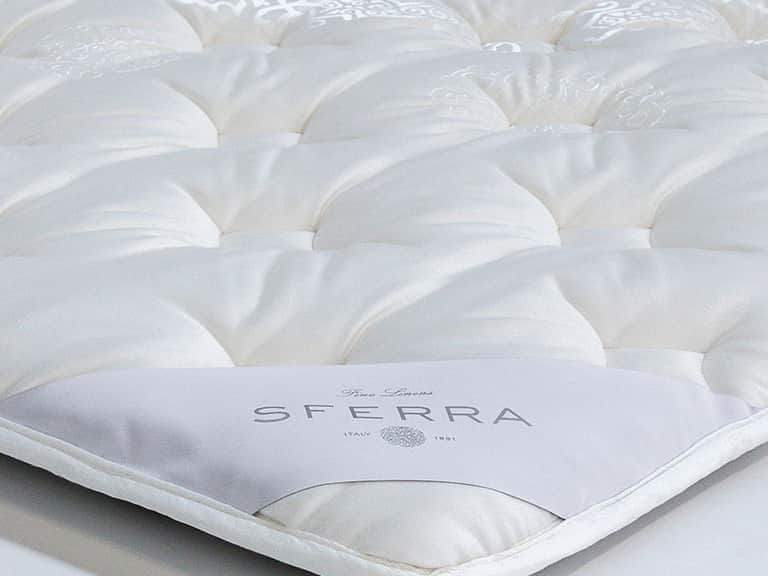
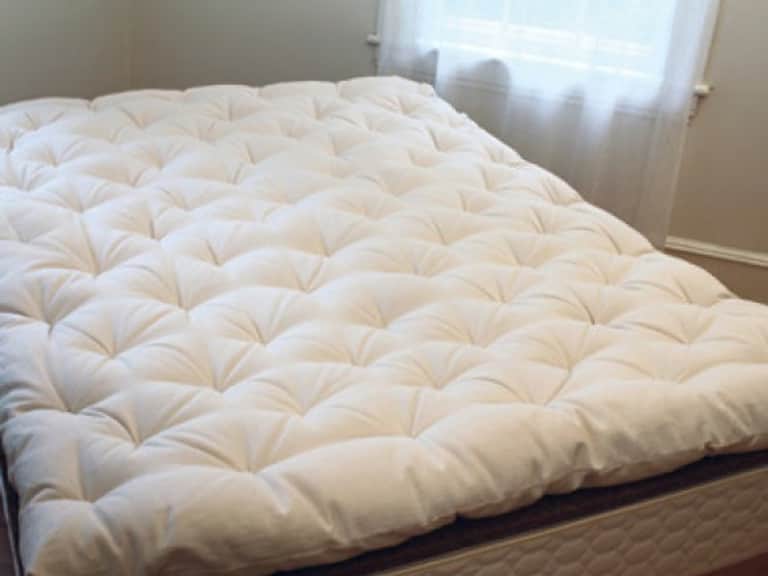
Consider the Sonno Notte Seasonal Mattress Topper. While not a mattress itself, a seasonal topper demonstrates how layering can modify a surface’s temperature regulation and contouring profile. It uses a combination of natural wool, aerated foam, and breathable fabrics to adapt to seasonal shifts, illustrating how toppers can complement various sleep surfaces by fine-tuning comfort and support. For readers curious about layering strategies with memory foam or futon cores, this topper offers a case study in seasonal adaptability and care considerations. You can learn more about this specific topper at its product page: Sonno Notte Seasonal Mattress Topper.
Another illustrative option is the Savvy Rest Pastoral Wool Mattress, a latex-free model showcasing natural materials and temperature regulation. Wool, cotton, and handcraftsmanship come together to create a surface that feels breathable and supportive, while also offering a latex-free reassurance for those with sensitivities. This example underscores the importance of material purity and environmental considerations within sleep ergonomics. See the product details here: Savvy Rest Pastoral Wool Mattress.
The framework here is not to promote a single brand, but to demonstrate how layered materials influence comfort, posture, and climate control—information readers can apply to a wide range of products across catalogs and brands.
When appropriate, a product mention should be contextualized with practical takeaways: what the material contributes to contouring, how it affects airflow, and how it complements or contrasts with other sleep surfaces in your home. This approach preserves an educational tone while offering tangible, actionable guidance.
Conclusion: a poised, evidence-based perspective on sleep surfaces
Memory foam, futons, and traditional mattresses each offer distinct routes to comfort and postural alignment. By focusing on the core principles of contouring, support, and climate regulation, readers can navigate the marketplace with elegance and clarity. The aim is not to privilege one approach but to illuminate how different surfaces address universal sleep needs—comfort, posture, and restful energy for the day ahead.
This discourse reflects a commitment to thoughtful, research-informed sleep education. It invites readers to explore foundational concepts, to test surfaces in a mindful way, and to curate a sleeping setup that embodies both physical well-being and aesthetic refinement. In the quiet luxury of a well-chosen sleep surface, the night becomes a ritual of restoration and self-care, an act of devotion to the art of rest.